Can Fotona Laser Treatments Be Combined With Other Aesthetic Procedures?
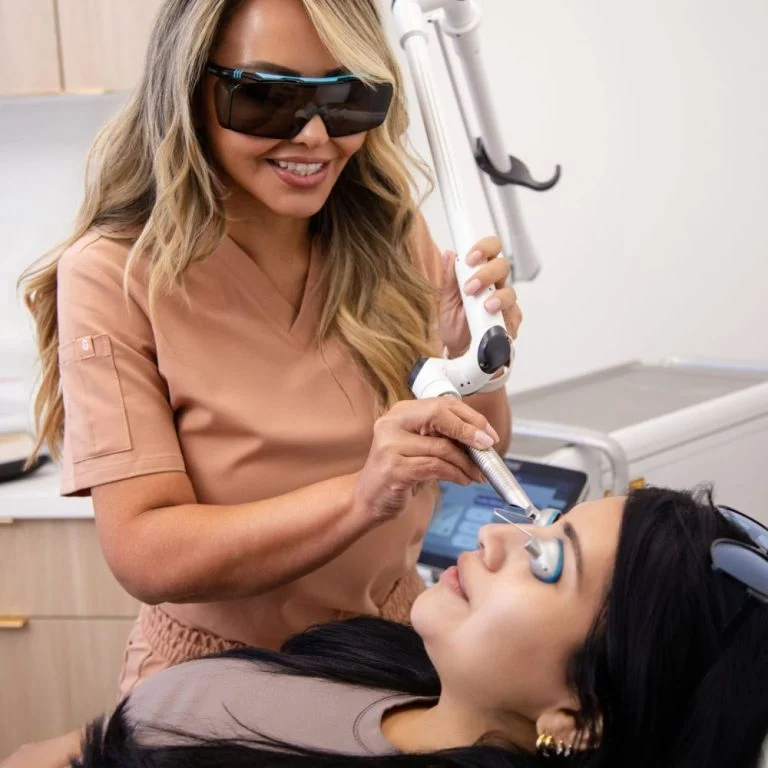
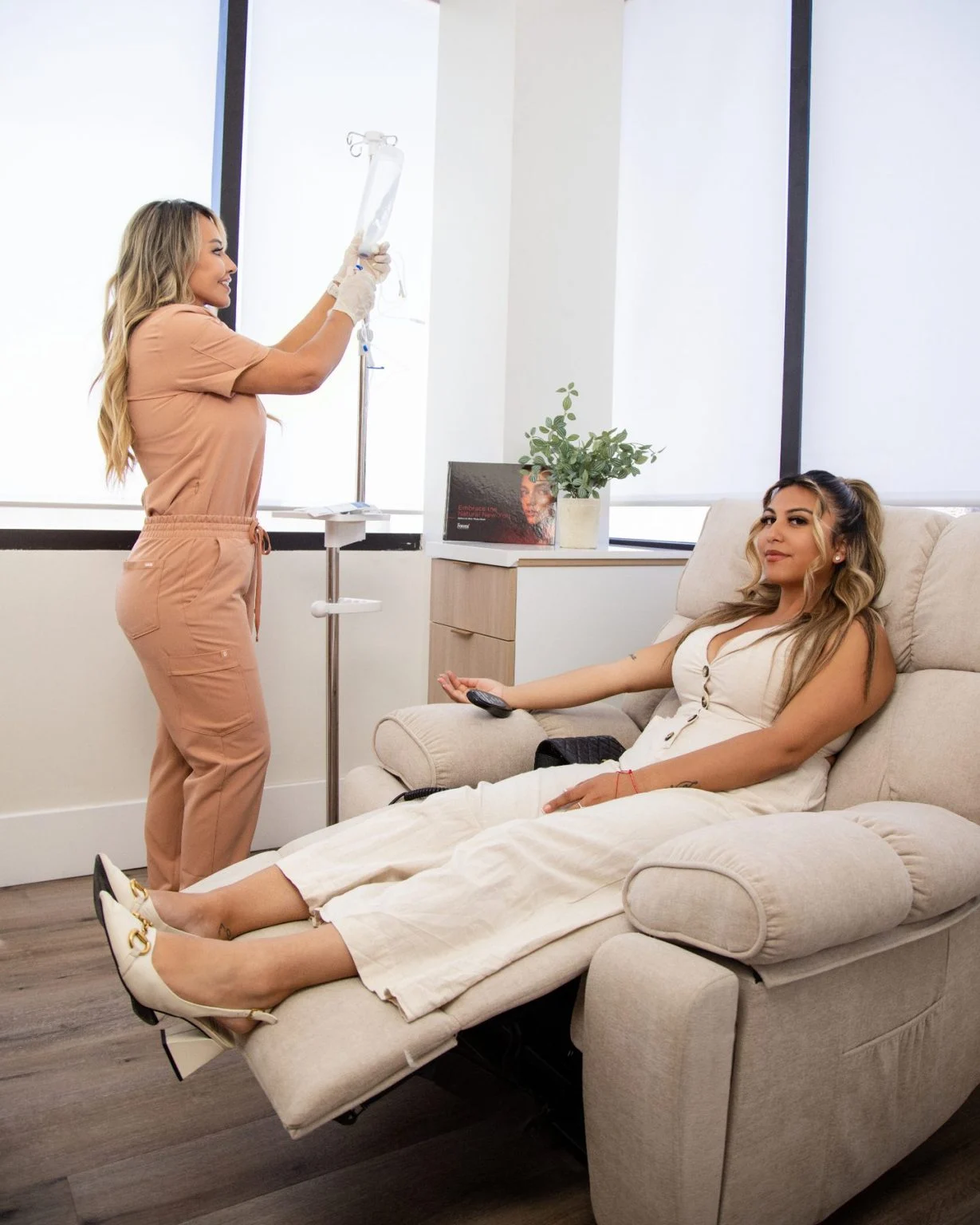
Yes, they often can, and in the right hands they frequently should be. Combining treatments is common in aesthetic medicine because a single procedure rarely addresses every concern on its own. Skin laxity, uneven tone, acne scarring, redness, enlarged pores, volume loss, fine lines, and textural roughness tend to overlap. Patients usually do not arrive with just one issue, and the face certainly does not age in one dimension.
That is where Fotona Laser Treatments fit particularly well. Fotona platforms are versatile, and depending on the handpiece, wavelength, pulse duration, and treatment mode, they can be used for resurfacing, collagen stimulation, vascular concerns, pigment, acne, scar revision, and noninvasive tightening. Because they are so adaptable, they are often part of a broader treatment plan rather than a stand-alone event.
The short answer, though, needs a caution attached to it. “Can” does not automatically mean “should on the same day,” and “combined” does not always mean layered all at once. Good combination treatment planning is less about stacking the maximum number of procedures and more about sequencing them with restraint. The best outcomes usually come from matching tissue depth, healing time, inflammation level, and the patient’s tolerance for downtime.
Why combination treatment is so common
Aesthetic concerns tend to sit in different layers of the skin and soft tissue. A laser may improve texture and stimulate collagen, but it will not replace lost cheek volume the way a filler can. Neuromodulators can soften dynamic forehead lines, but they do not erase sun damage. Radiofrequency can tighten mildly lax skin, but it may not touch brown spots or diffuse redness.
That layered reality is why combination treatment plans make sense. When used properly, one modality can complement another instead of competing with it. A patient with acne scarring, for example, may benefit from a series that includes Fotona resurfacing for texture, subcision for tethered scars, and a biostimulatory injectable if there is associated atrophy. Someone with early lower-face laxity and perioral lines may do well with a tightening-focused laser approach plus a small amount of filler around the mouth and chin. The result often looks more coherent than relying on a single procedure to do too much.
In practice, combination work also allows clinicians to be more conservative with each individual treatment. Rather than pushing one laser session to an aggressive endpoint, a provider may choose moderate laser energy and complement it later with another modality. That often translates to a safer experience, a more controlled healing process, and fewer surprises.
What makes Fotona different in a treatment plan
Fotona is not one single treatment. It is a family of laser applications, typically using Er:YAG and Nd:YAG wavelengths in different modes. That matters, because compatibility depends heavily on which Fotona protocol is being performed.
A light superficial Er:YAG polish is not the same as a deeper ablative resurfacing session. A collagen-stimulating Nd:YAG tightening treatment is not the same as a pigment-focused protocol or a vascular approach. The phrase Fotona Laser Treatments sounds simple, but from a planning standpoint it covers a lot of ground.
This is where confusion often starts for patients. They may hear that a friend combined “Fotona with fillers” and assume the same applies to their own treatment. But if the friend had a no-downtime tightening session and they are booking a more intensive resurfacing treatment, the timing may need to be completely different. The compatibility question is less about the brand name and more about tissue response.
The combinations that commonly work well
Fotona frequently pairs well with injectables, skin boosters, peels, microneedling, radiofrequency-based treatments, and medical-grade skincare, but timing varies. Some combinations can happen in the same visit, while others are safer and smarter when separated by days or weeks.
Neuromodulators are one of the easier pairings. If someone is treating dynamic upper-face lines and also wants skin quality improvement, combining Botox or a similar product with certain Fotona sessions can make practical sense. Many clinics perform both in a coordinated plan, though the exact order often depends on the treatment area and the injector’s preference. In many cases, laser treatment either precedes the neurotoxin on the same day or is scheduled separately within a short window to avoid unnecessary manipulation of freshly injected areas.
Fillers require more nuance. If there is existing filler in the face, the provider needs to consider laser depth, heat profile, and treatment location. There has long been discussion in aesthetic medicine about whether energy-based devices can affect fillers. The answer is, potentially, depending on the filler type, where it sits, and which device settings are used. A superficial laser pass over skin is a different matter from heat delivered near recently placed filler. Many experienced clinicians either laser first and fill later, or they leave a buffer period between treatments, particularly when the laser is more intensive.
Skin-tightening combinations can also be excellent when done thoughtfully. A patient in their forties with mild jowling, early laxity, and etched lines may benefit from a staged program that includes Fotona tightening, targeted filler support, and diligent topical retinoid use. None of those interventions does the same job, but together they can create a more balanced result.
For acne and acne scarring, combination plans are almost the rule rather than the exception. Active acne might be treated with a laser protocol that reduces inflammation and oil activity, while scars are addressed later with resurfacing, subcision, and topical support. The timing matters because aggressive textural work in someone who is still breaking out heavily may backfire.
When same-day treatment makes sense, and when it does not
Same-day treatment is appealing. It saves time, may reduce repeated numbing or repeated travel, and feels efficient. But efficiency should not drive the medical plan.
Same-day combinations tend to work best when the treatments are low to moderate in intensity, target different structures without overloading the skin, and do not create excessive cumulative inflammation. For instance, a gentle Fotona session aimed at brightening or mild tightening may be paired with a neuromodulator treatment in suitable patients. Similarly, medical facials or soothing post-laser protocols may be added in select cases if they are genuinely calming and not irritating.
The risk rises when both procedures create significant inflammation, disruption of the skin barrier, or deep thermal effect. Deep resurfacing plus an aggressive peel on the same https://collinxuxe944.yousher.com/understanding-the-technology-used-in-fotona-laser-treatments day is usually not wise. Laser resurfacing immediately over freshly injected filler can also be a poor idea unless the clinician has a very specific rationale and experience with that sequence. Skin can only heal from so much at once.
One practical rule experienced providers use is to ask what each procedure demands from the tissue in the next seven days. If both require a strong inflammatory response, both increase swelling markedly, or both depend on an intact barrier for clean healing, combining them may add risk without adding benefit.
Treatments that are often paired with Fotona
The most common partners for Fotona in aesthetic practice include the following:
- neuromodulators for dynamic expression lines
- hyaluronic acid fillers or biostimulatory injectables for volume support
- microneedling or subcision for selected scar patterns
- radiofrequency-based tightening treatments in staged plans
- prescription skincare and medical-grade topicals for maintenance
That list looks straightforward, but real planning is more individualized than the names suggest. For example, microneedling and laser resurfacing both improve texture, yet they are not interchangeable and should not be piled together casually. A patient with melasma-prone skin, for instance, may tolerate one approach far better than another. Someone with rosacea may do better with a vascular-focused strategy before any textural work is attempted.
The importance of treatment order
Order matters more than many patients expect. A well-sequenced plan can improve results and minimize recovery time. A poorly sequenced one can create swelling, bruising, prolonged redness, irritation, or disappointment.
When volume loss is severe, some clinicians prefer to restore structural support first, then refine the skin surface. The logic is simple. If the face lacks contour and support, improving the skin alone may not deliver enough visible change. On the other hand, when the main complaint is crepey texture, enlarged pores, or sun damage, laser-first may make more sense.
With filler and laser in particular, many experienced practices take a conservative approach. If resurfacing or tightening is planned in the same overall treatment cycle, they often perform the energy-based treatment first and inject later after the skin has settled. This helps avoid treating over newly placed product and gives a cleaner view of what volume truly needs correction afterward.
For neuromodulators, the sequence is usually more flexible, but the provider still needs to think about massage, edema, and post-treatment instructions. Even minor practical details matter. A patient who is told not to rub treated areas after an injectable may not be an ideal candidate for a lengthy facial protocol immediately afterward.
Not every skin type tolerates every combination equally
This is where expertise shows. The right combination for one patient can be the wrong one for another, even if both have similar goals.
Darker skin tones, for example, often require more caution with heat-based and ablative procedures because post-inflammatory hyperpigmentation can be a real concern. That does not mean Fotona is off the table. It means settings, timing, and adjunctive skincare need to be selected carefully. If a patient is prone to pigmentation, stacking multiple inflammatory treatments too close together can be a setup for prolonged discoloration.
Patients with rosacea, eczema, seborrheic dermatitis, or a recently compromised skin barrier also need a more measured plan. I have seen people do beautifully with a staged laser program once their barrier was stable, and I have seen others flare badly because they combined treatments too enthusiastically after seeing a dramatic before-and-after online. The skin keeps its own score. It responds to cumulative insult, not marketing language.
A history of cold sores matters too, especially when treating around the mouth. Any resurfacing or energy-based procedure in that area can trigger a recurrence, and adding another procedure does not make that risk disappear. It just makes antiviral planning more important.
What to disclose before combining anything
Clinicians can only plan safely with good information. Patients sometimes forget to mention treatments done elsewhere, especially injectables from a med spa or a peel performed a week earlier. That omission can derail a carefully designed session.
Before combining Fotona Laser Treatments with anything else, the provider should know about recent filler, neurotoxin, peels, microneedling, isotretinoin history, active acne medications, tanning, self-tanner use, pigment disorders, autoimmune conditions, anticoagulants, and any history of hypertrophic scars or keloids. It is not paperwork trivia. It directly affects settings and scheduling.
Even topical products can change the equation. A patient using tretinoin nightly, benzoyl peroxide, exfoliating acids, and hydroquinone may need a pause before treatment depending on what is planned. A laser that would otherwise be routine can sting harder and heal less smoothly on overprocessed skin.
Recovery stacking is real
One of the easiest mistakes in aesthetics is underestimating recovery when treatments are combined. Patients often hear “minimal downtime” and assume that means no visible signs at all. That is not how skin behaves.
A mild tightening treatment might leave only transient redness. A resurfacing session may cause several days of pinkness, rough texture, and swelling. Add injections, bruising tendency, a reactive skin type, or an important social event, and the real-world picture changes quickly.
I often think of recovery as a budget. Every procedure spends some of it. If a patient has a low tolerance for redness, cannot take time away from work, or has a wedding in ten days, that budget is smaller. It is often better to split treatments into a series than to force a dramatic all-in-one appointment.
This is especially true around the eyes and mouth, where swelling can linger longer than expected. The face may be medically fine but socially inconvenient, which matters to patients more than clinicians sometimes realize.
A reasonable framework for timing
There is no universal timetable that fits every clinic or every protocol, but these principles are generally sound:
- lighter, nonablative combinations may sometimes be done on the same day
- resurfacing treatments usually deserve their own recovery window
- filler is often safer after laser rather than immediately before it
- recent sun exposure or a damaged skin barrier should delay elective combinations
- when in doubt, stage treatments rather than stack them
That staged approach may feel slower, but it often produces better-looking results. It also gives the practitioner a chance to reassess after each step. Skin reveals a lot once inflammation settles. Sometimes the patient needs less filler than initially expected after texture and tightening improve. Sometimes treating redness first makes pigmentation easier to evaluate. Sequential planning reduces guesswork.
Common pairings, examined more realistically
A few combinations come up repeatedly in consultation rooms, and each deserves a grounded look rather than a blanket yes or no.
Fotona with Botox or similar neurotoxins is usually straightforward when planned properly. It is popular because the targets are different. One treats muscular movement, the other improves skin quality or firmness. The main consideration is sequence and avoiding unnecessary pressure over freshly treated injection points.
Fotona with fillers is useful but more technical. If the treatment area contains older, well-settled filler, a clinician may proceed carefully depending on the laser mode and depth. With fresh filler, caution rises. The more heat and deeper energy delivery involved, the more many providers prefer to separate sessions.
Fotona with chemical peels can work when each is used moderately and the patient is selected well, but this is not a pairing to improvise. A superficial peel in a broader treatment plan is one thing. Combining an intense laser session with a strong peel simply because the calendar allows it is another.
Fotona with microneedling is usually staged rather than performed simultaneously. Both can stimulate remodeling, but they create different wound patterns and healing demands. In scar work, the better question is often which comes first, not whether both can be done at once.
Fotona with surgery is also a real consideration. Some practices use lasers before or after surgical procedures such as blepharoplasty or facelift recovery, but timing is highly individualized. Surgery changes tissue behavior, blood supply, swelling, and healing priorities. In that setting, coordination with the operating surgeon is essential.
The patient perspective matters more than the device menu
The best combination plan is not the one with the longest invoice. It is the one that fits the patient’s anatomy, timeline, budget, and threshold for downtime.
A patient with moderate sun damage and fine lines who can manage one weekend of recovery every couple of months may do beautifully with staged laser sessions and skincare alone. Another patient may prefer one lighter treatment with almost no downtime plus injectables for strategic improvement. Neither is wrong. Aesthetic medicine works better when it respects life logistics instead of pretending every patient should chase the maximal protocol.
Budget also affects sequencing. If someone cannot commit to a full plan at once, it makes sense to prioritize the intervention likely to produce the most visible improvement for their chief complaint. For one person that may be laser resurfacing. For another it may be volume restoration first. Honest prioritization is better than overpromising a hybrid treatment that only partially addresses the real issue.
Red flags that should slow the plan down
If a consultation glosses over timing, prior treatments, or skin history, that is a warning sign. Combination work requires more judgment, not less. Be cautious if a provider seems unconcerned about recent tanning, does not ask about isotretinoin or herpes history, or treats every concern with the same package.
Another red flag is when too many procedures are suggested for the same day without a clear explanation of why each one is necessary. There is a difference between a thoughtfully integrated plan and a crowded treatment menu. Good practitioners can explain what each step contributes, what could happen if it is omitted, and why the chosen timing makes sense.
Patients should also be wary of promises that imply additive perfection. More treatment does not always mean more benefit. Past a certain point, it can simply mean more inflammation, more swelling, and a harder recovery.
What a smart consultation sounds like
A strong consultation usually sounds specific. The provider identifies the main concern, explains which layer of tissue is responsible, and then maps each treatment to that layer. They also discuss what can realistically be improved, what needs maintenance, and what trade-offs come with combining procedures.
For example, if the issue is lower-face heaviness with rough texture and smoker’s lines, a sensible plan may involve staged tightening, limited perioral resurfacing, and careful filler placement at a later visit. If the issue is active acne with red marks and early scarring, the provider may prioritize acne control first, then move into scar-focused remodeling later. The details will vary, but the logic should be easy to follow.
That clarity matters because it protects patients from chasing every available technology at once. Fotona Laser Treatments can be extremely valuable in a combination plan, but they work best when the plan has discipline.
Where the real answer lands
Can Fotona Laser Treatments be combined with other aesthetic procedures? Often yes, sometimes on the same day, and very often as part of a staged series. The real question is not whether they can be combined, but how, when, and in what order.
The best combinations respect anatomy, skin type, inflammation, and recovery. They do not rely on the assumption that more is automatically better. They rely on sequencing, restraint, and honest assessment of what each modality can and cannot do.
When those pieces line up, combination treatment can produce results that look more natural, more complete, and more durable than any single procedure alone. When they do not, the same plan can become unnecessarily irritating, expensive, or disappointing. In aesthetics, judgment is the treatment. The devices are only tools.
OMNIA Wellness Center
Address: 16430 Ventura Blvd Ste 207, Encino, CA 91436
Phone number: +18183868511
FAQ About Fotona Laser Treatments
What is a Fotona laser good for?
A Fotona Laser system is a versatile, dual-wavelength medical laser used primarily for non-surgical skin tightening, anti-aging rejuvenation, and dermatological treatments.
How much does the Fotona laser cost?
The cost of a Fotona laser depends heavily on whether you are looking to purchase a laser machine for a medical practice or are a patient seeking a laser treatment at a medspa.
Is a Fotona laser worth it?
A Fotona laser treatment is generally worth it if you want non-surgical skin tightening, improved texture, and collagen stimulation with very little downtime.